 Download PDF version
Pest & Rodent Treatment Program — Proposal
Utah Schools for the Deaf and the Blind · Ogden · Salt Lake · Springville
FY27 (July 1, 2026 – June 30, 2027) · State Cooperative Contract MA5191
Prepared for: Julie Thomson, Operations Executive, USDB — juliet@usdb.org · 801-629-4779
Prepared by: Trent Frazer, MS, BCE #B3413 — Falcon Pest Control (Mountain Supply LLC)
trent@myfalconpest.com · 385-412-9660
Contract: MA5191, State of Utah Cooperative Contract (Category 1 — Pest Control), Contract Manager Susan Booth, Utah Division of Purchasing
Date: July 2026
Your request, answered
You asked for monthly pest control across all three campuses (Ogden, Salt Lake, Springville) for FY27, including the cost of follow-up treatments and rodent traps. This proposal answers each of those directly: a monthly program priced per campus, your rodent traps delivered as a full treatment-and-service program, follow-up treatment pricing, and a combined summary — all on Falcon's MA5191 state-contract rates. The rest is the entomology and compliance that come standard with Falcon, and the reasons to choose it.
What you're getting that no other contract vendor can provide
Falcon holds contract MA5191 on the State of Utah cooperative. Of the pest control vendors on that cooperative, Falcon is led by the only Board Certified Entomologist (BCE) in independent commercial practice in Utah. Your program is authored and supervised by that entomologist — not delivered from a template.
That matters here specifically. These campuses serve blind and deaf students, several buildings sit against open field and dense landscape that drive rodent pressure, and Utah school pest management is governed by Administrative Code R392-200-18, which requires a real Integrated Pest Management (IPM) plan. Most vendors hand a school a downloaded IPM document and run a flat quarterly spray. Falcon delivers an entomologist-authored, campus-specific program, with the compliance documentation written and maintained by the BCE of record — built into your monthly service, not sold as an extra.
Every price below uses Falcon's published MA5191 state-contract rates (already reflecting the 5% cooperative discount). No setup fee. No initial-treatment fee. Monthly service only.
FY27 Program Pricing — at a glance
| Springville Campus | $247/mo |
| Salt Lake Campus (4 structures) | $988/mo |
| Ogden Campus | $494/mo |
Combined scheduled service: $1,729/month across all three campuses. Each campus can be awarded independently.
Follow-up treatments $90.25/hr (1-hr minimum). No setup fee — monthly service only.
Your rodent traps: the treatment program (all three campuses)
You asked for rodent traps. Here is how Falcon delivers them — as a Rodent Treatment Program, not just traps on a wall and not a monitoring program: active control, fully serviced and documented every visit.
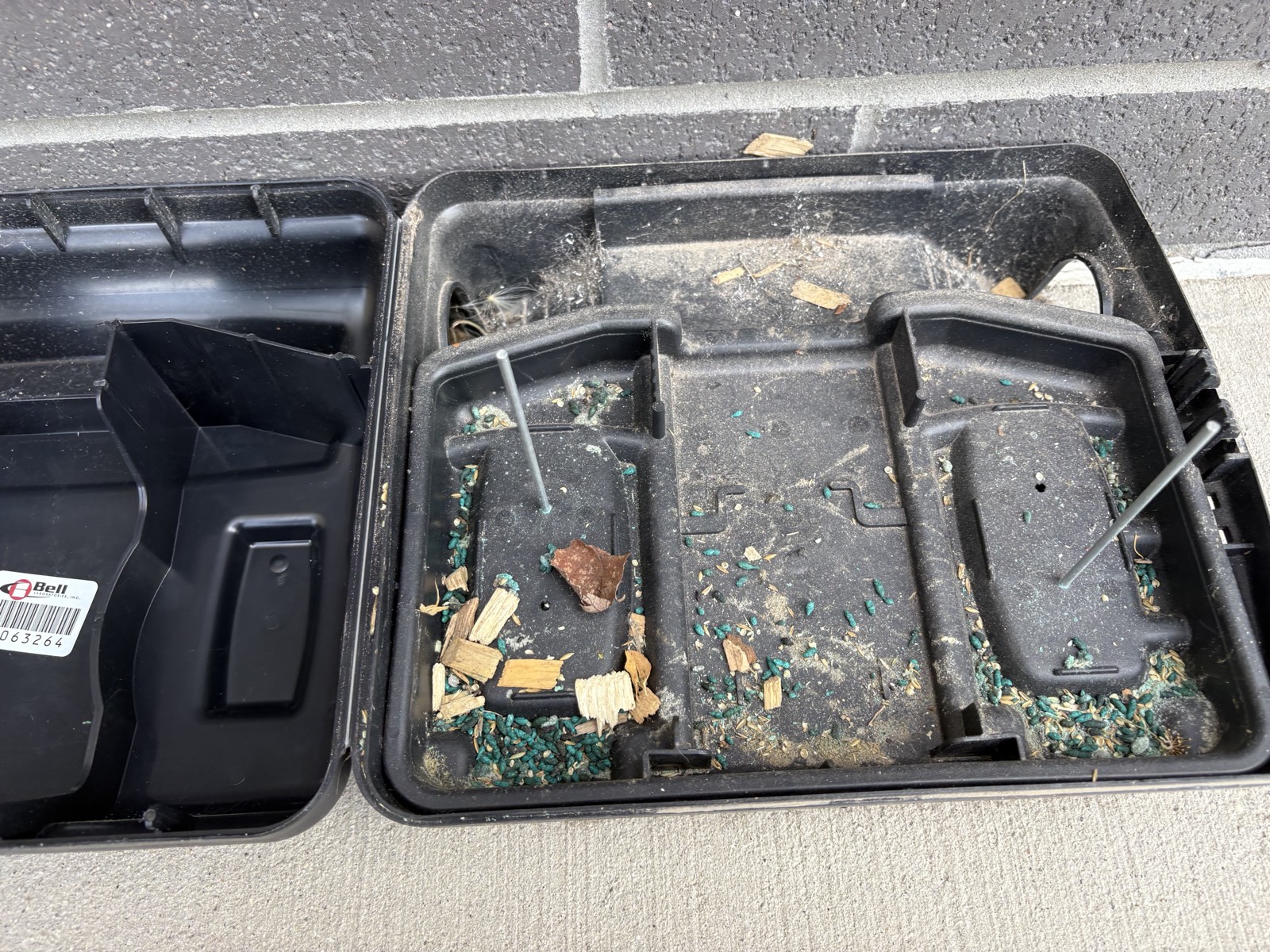
Tamper-resistant, weighted exterior stations placed at the points that actually drive pressure (field edges, dumpsters, landscape, structural entry). Every visit, each station is opened, cleaned, inspected for non-target activity, documented with photos, and re-baited. Placement follows rodent biology, not a uniform grid — the current peer-reviewed literature shows activity concentrates along walls, corners, shadows, and dense vegetation, and that uniform fixed-spacing baiting leaves a large share of stations untouched. (On my Springville walk I found the prior vendor's stations left full of debris and empty of bait, with rodent droppings inside them. That is the failure mode this program is built to prevent.)
The consumption-driven cadence ladder — this is the part that protects your budget, and it is grounded in published science, not sales. Rather than lock you into one frequency forever, the BCE reads bait-consumption data at each station every visit and adjusts service accordingly:
- Low consumption (≤10%), held two cycles → service frequency steps DOWN. You stop paying for visits the data says you don't need.
- High consumption (≥75%) → service frequency steps UP, capped at monthly.
Why this matters, from the data: a peer-reviewed study of rodent devices across food-distribution sites (Frye, Gangloff-Kaufmann, Corrigan, Hirsch & Bondy, Journal of Stored Products Research, 2021) found that roughly 40% of bait had no feeding at all and only about 56% of exterior stations showed any rodent activity — meaning uniform, fixed-cadence baiting spends time and material servicing stations rodents never visit. The ladder corrects exactly that: frequency follows the rodents, set by an entomologist reading station-level data. A flat quarterly program cannot do this — it charges the same in January and October regardless of what the rodents are doing, which is why the incumbent Utah school pest invoices on the state's own public-payment records read as identical flat amounts year over year.
This is also how R392-200-18 compliance is actually achieved. Utah's school pest rule requires that non-chemical methods be used "whenever possible," that only reduced-risk materials be applied, and that a "no-action alternative" be considered where a pest poses no health or property threat. A monitoring-driven, consumption-triggered program is the direct operational embodiment of that standard. And notably, under the rule's implementation, rodenticide baits in tamper-resistant stations are exempt from advance IPM-coordinator approval — so your program operates in the rule's lowest-friction, pre-approved category while still being authored and documented by a Board Certified Entomologist. The full scientific and regulatory basis for this program is provided in the accompanying one-page brief.
Campus 1 — Springville (1160 W 900 S)
~34,590 SF · Elizabeth DeLong School + portable modular building · field-exposed west elevation
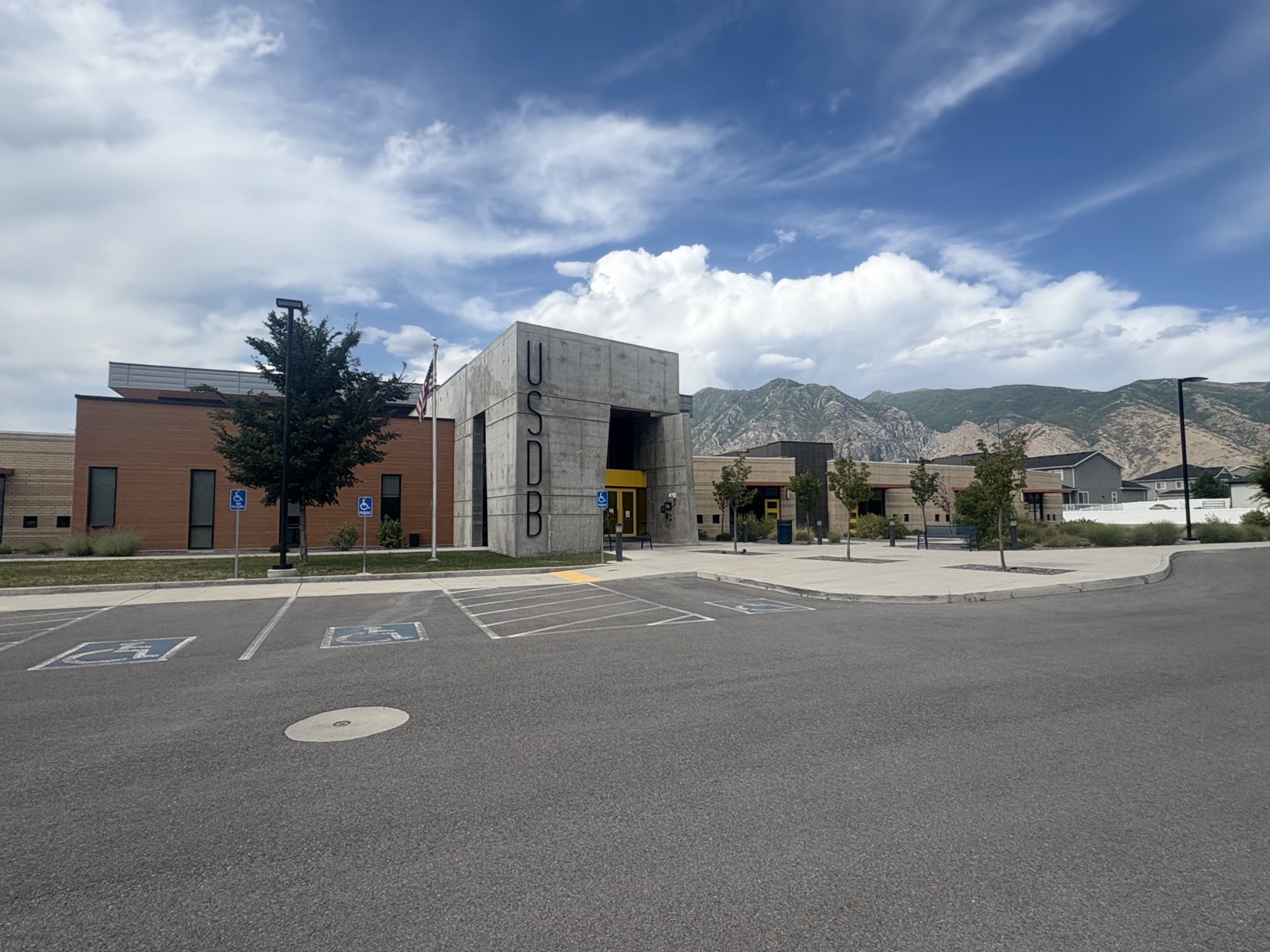
Adjacent farmland drives vole and house-mouse pressure; the field-facing side was left unprotected by the prior vendor. Program replaces and correctly places the exterior network, monthly.
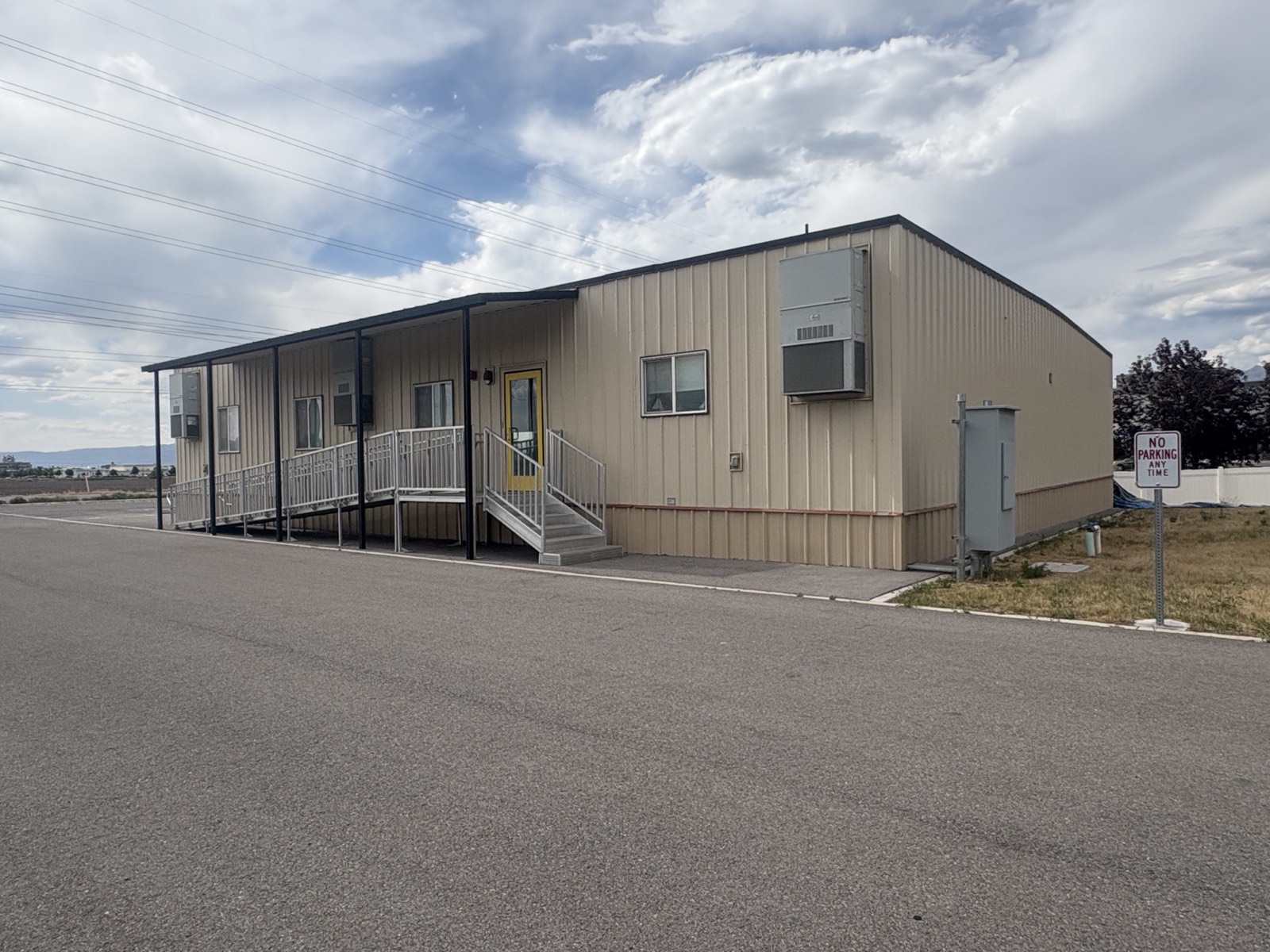
On this walk I also found paper wasp nests on window and door frames. I swept them while I was there, as a courtesy, with no contract in place. That is the standard of service USDB can expect from Falcon going forward, and the seasonal wasp sweep is included in the monthly service below.
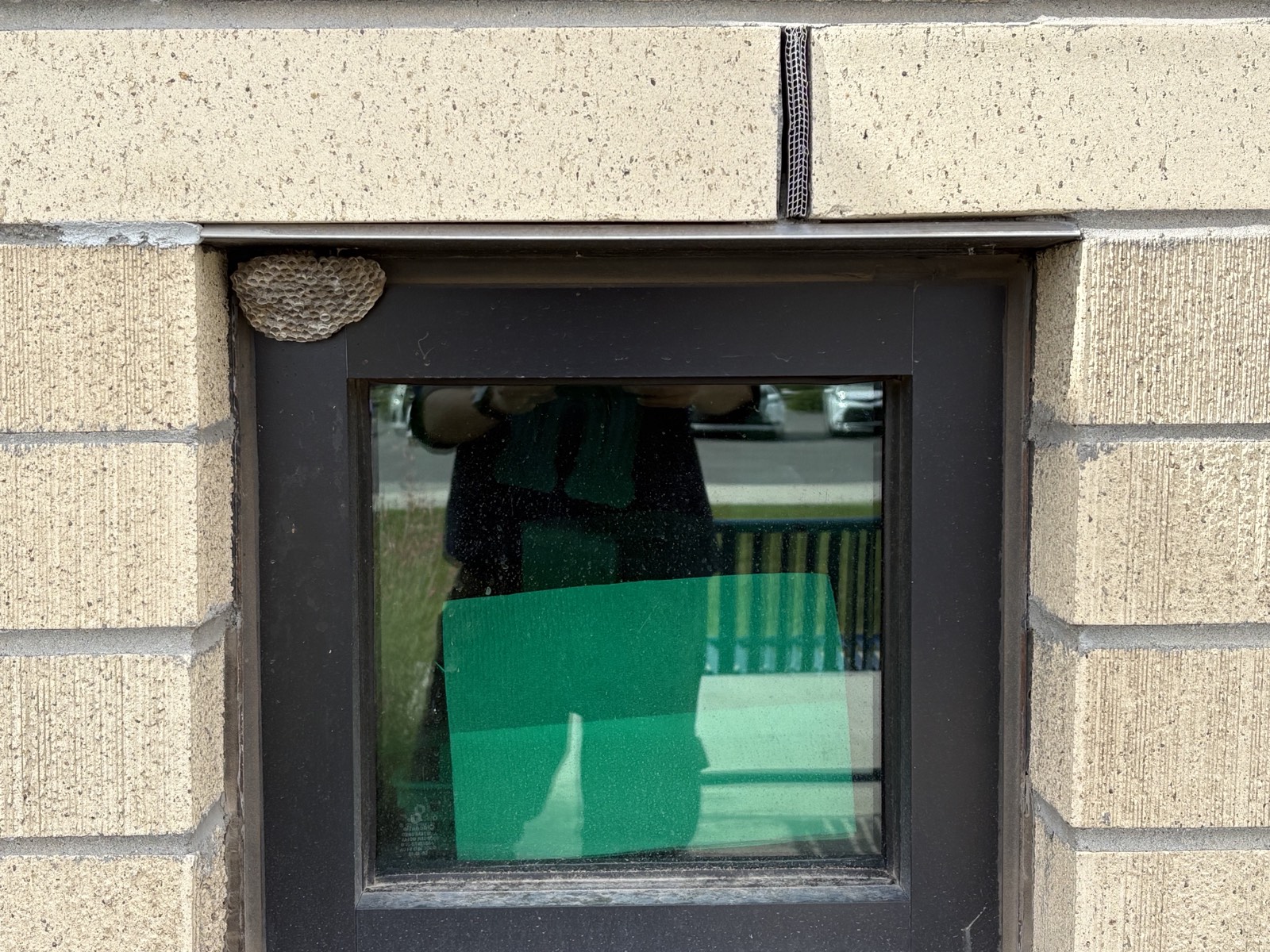
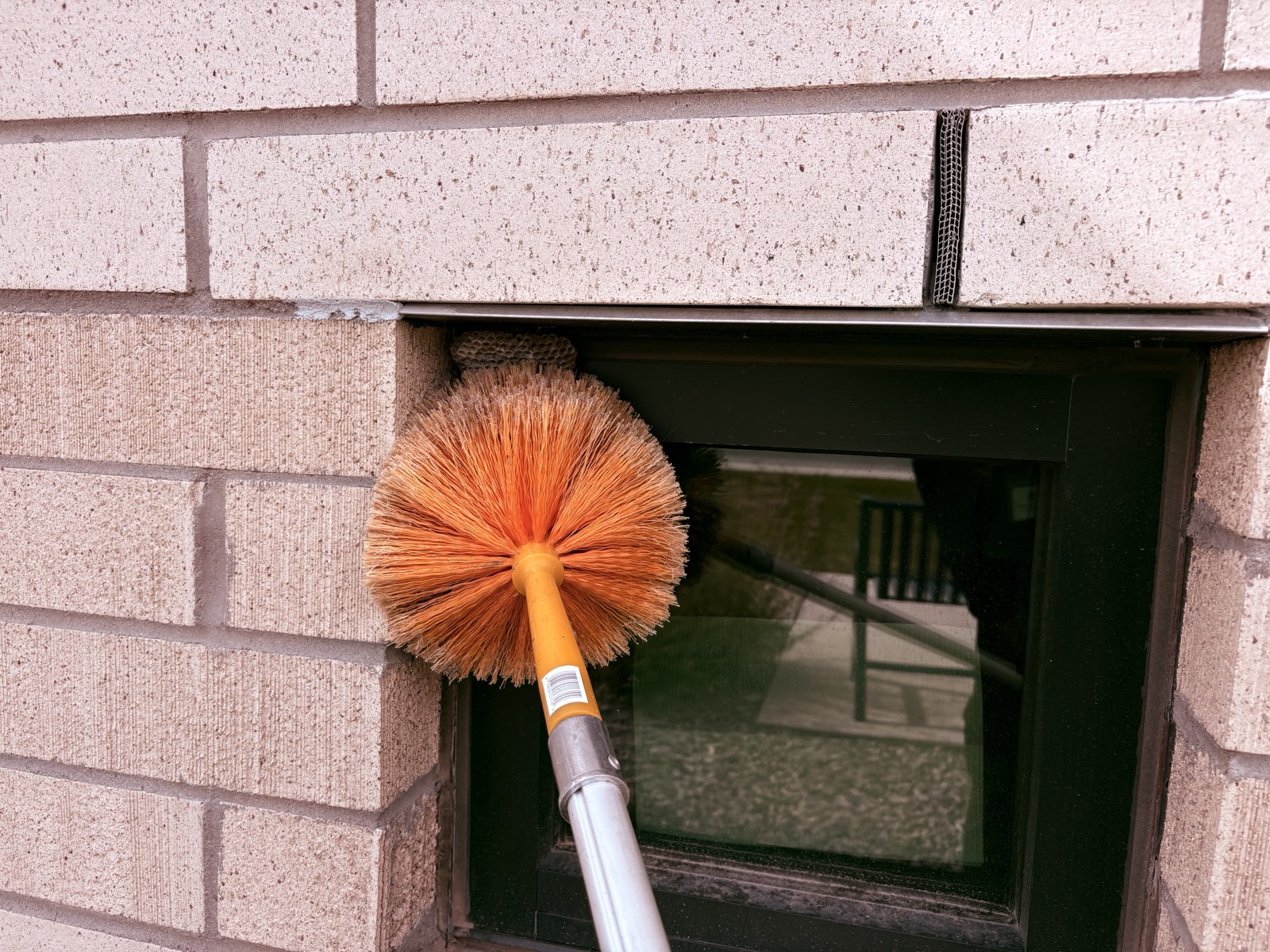
Campus walkthrough — Springville — narrated by Trent Frazer, BCE (captioned).
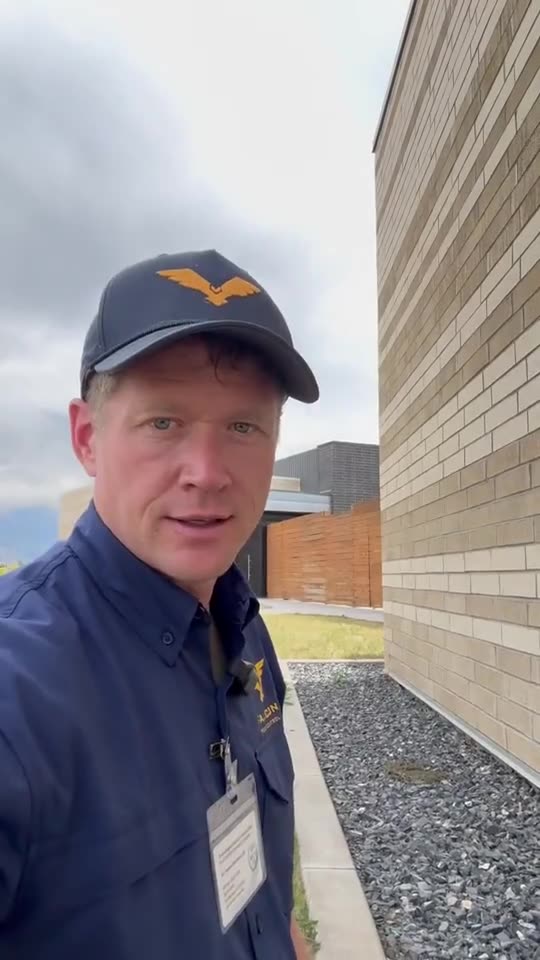
Watch the Springville walkthrough at myfalconpest.com/USDB
| Included monthly | State rate |
|---|---|
| Exterior Barrier Treatment (perimeter, both buildings; seasonal wasp sweep included) | $128.25 |
| Preventative Maintenance Program (rodent treatment — 10-station network, serviced & documented each visit) | $118.75 |
| Monthly service | $247.00 |
| BCE program oversight & R392-200-18 documentation (quarterly) | $142.50/qtr |
Optional — west-yard field service (harvester ant + vole, quarterly): +$135.38/qtr
Campus 2 — Salt Lake / Millcreek (1655 E 3300 S)
~96,000 SF · four structures: two school buildings + portable + C. Mark Openshaw Education Center · confirmed active rat pressure
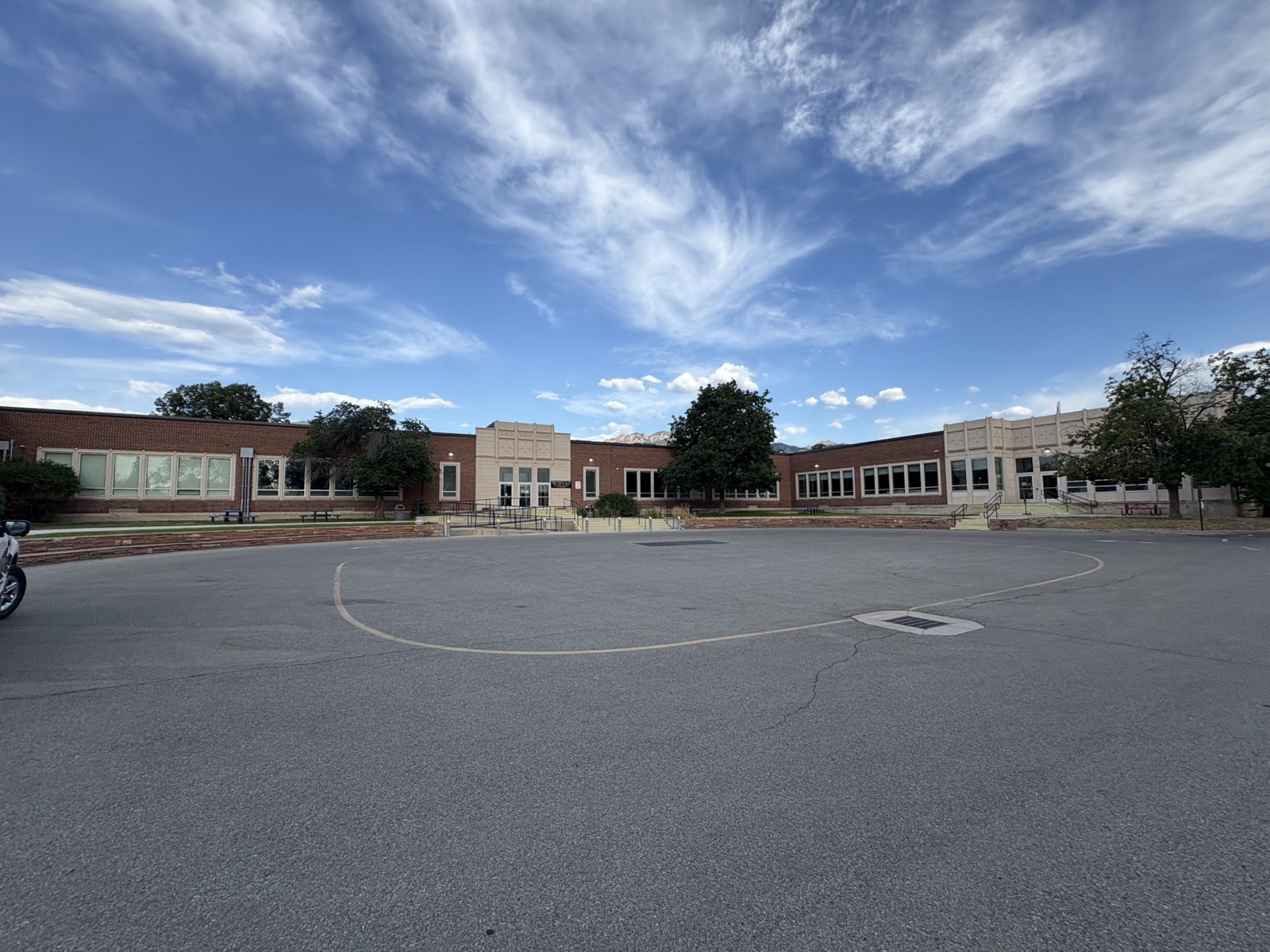
Dense vines, mature landscape, and a fruit-bearing tree feed a confirmed active rat population near the dumpster (staff-reported and field-verified). This is the campus that needs true monthly treatment. Program covers all four structures with weighted premium stations at the exposed placements, monthly, with the first three months at monthly cadence to establish the population baseline before the ladder sets long-run frequency.
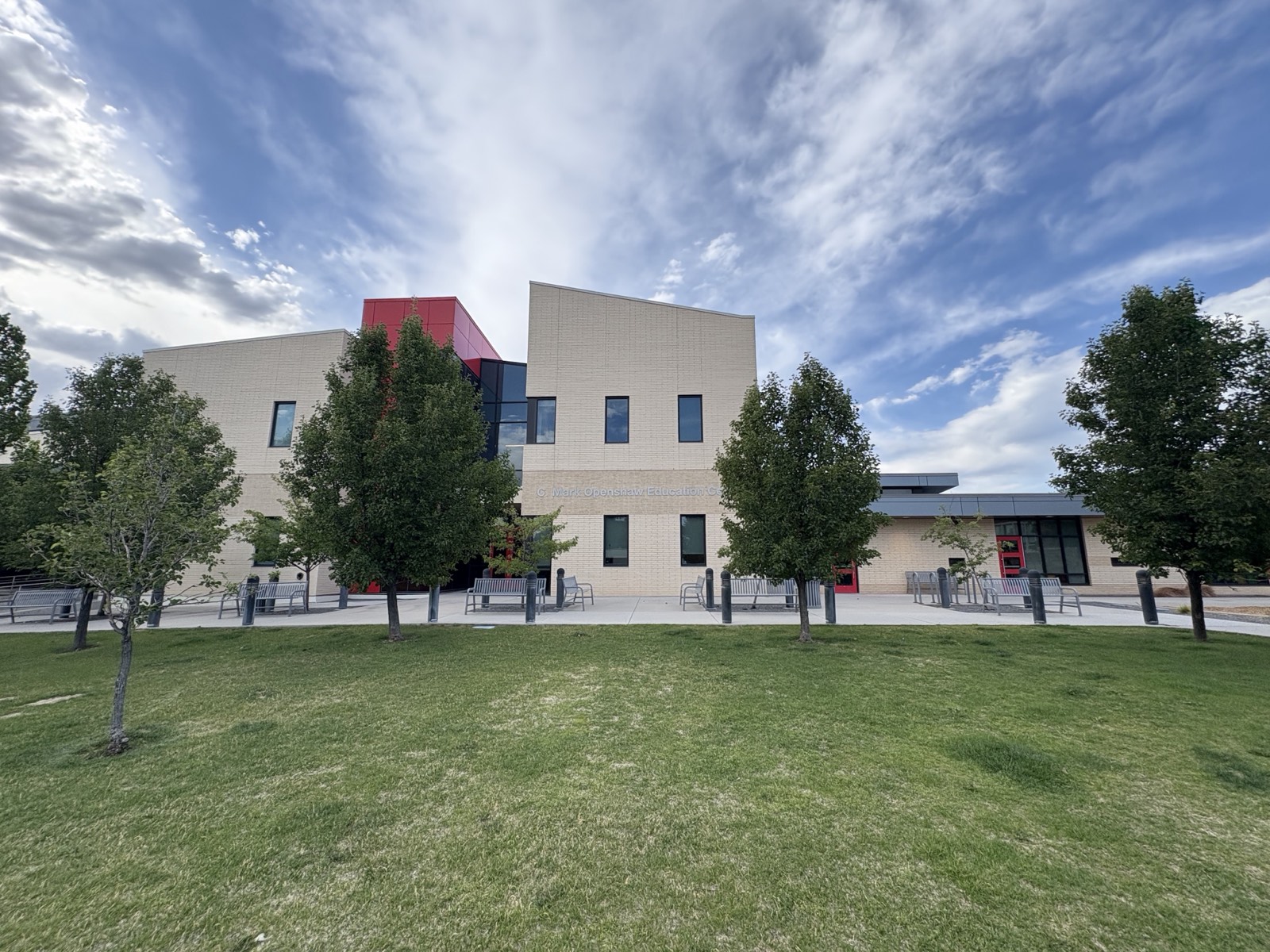
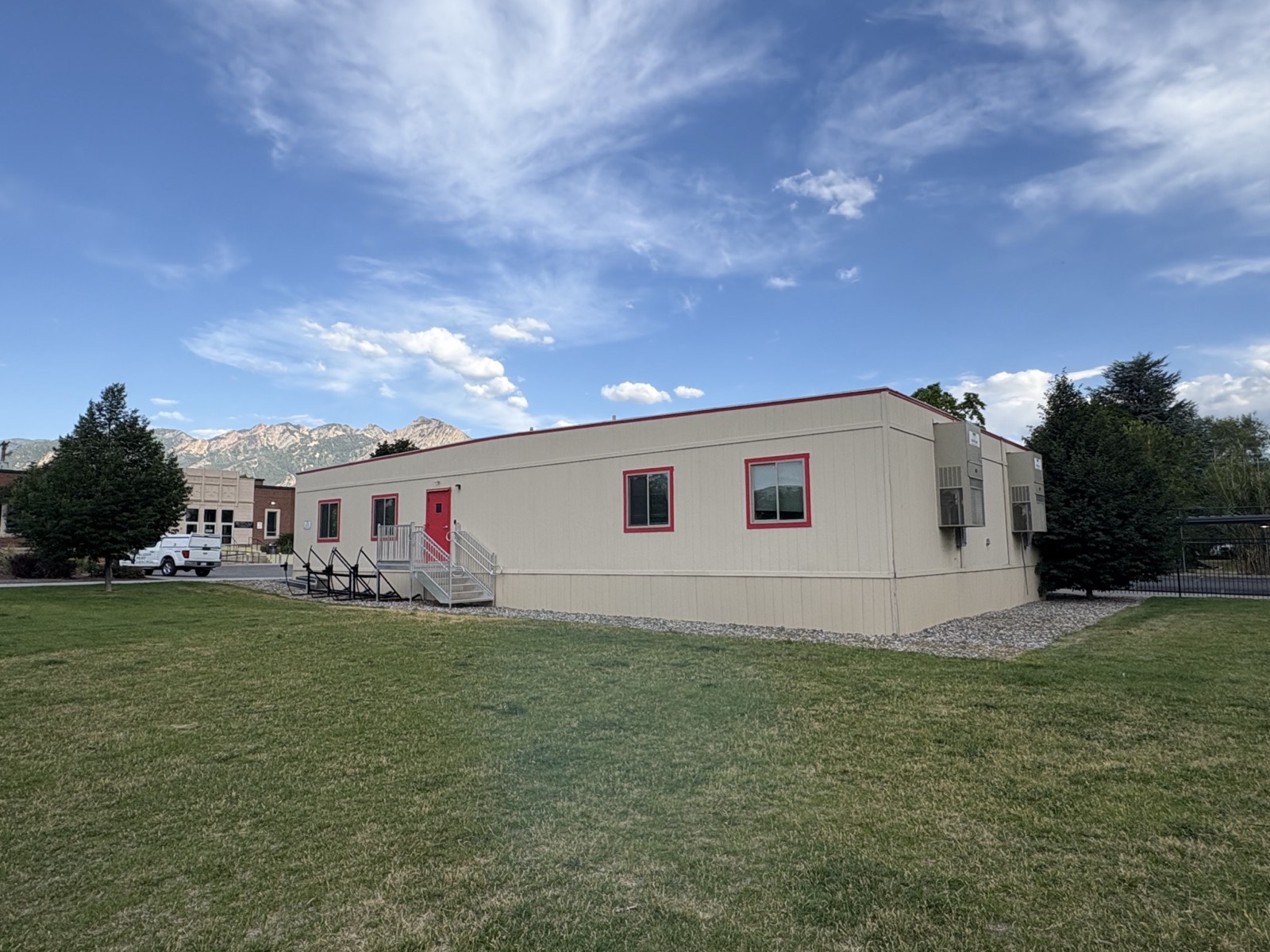
Campus walkthrough — Salt Lake / Millcreek — narrated by Trent Frazer, BCE (captioned).
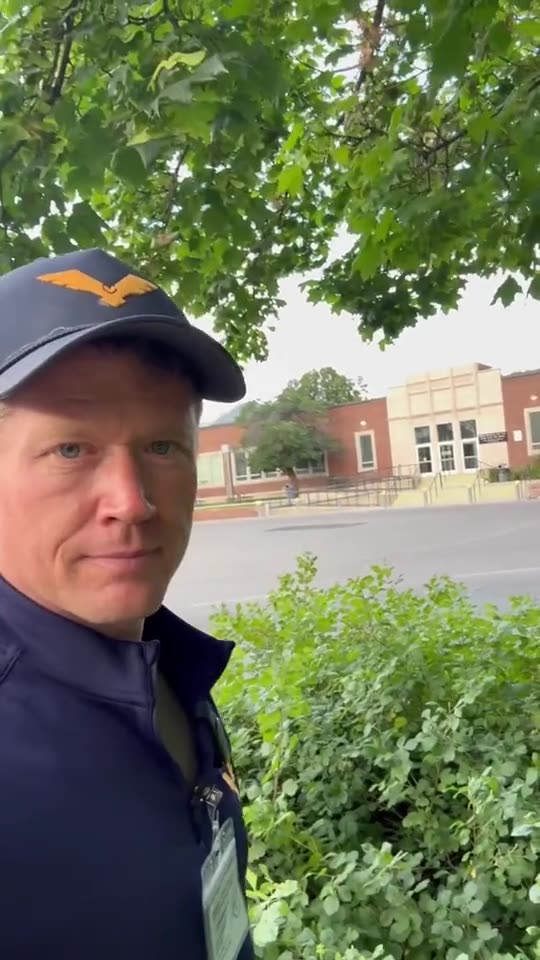
Watch the Salt Lake / Millcreek walkthrough at myfalconpest.com/USDB
| Included monthly | State rate |
|---|---|
| Exterior Barrier Treatment × 4 structures | $513.00 |
| Preventative Maintenance Program × 4 structures (rodent treatment) | $475.00 |
| Monthly service | $988.00 |
| BCE program oversight & R392-200-18 documentation (quarterly, 2 hr) | $285.00/qtr |
Campus 3 — Ogden (742 S Harrison Blvd)
~116,297 SF · 24.7 acres · ~10 structures incl. STEP cottages & indoor pool · preventive-phase rodent program
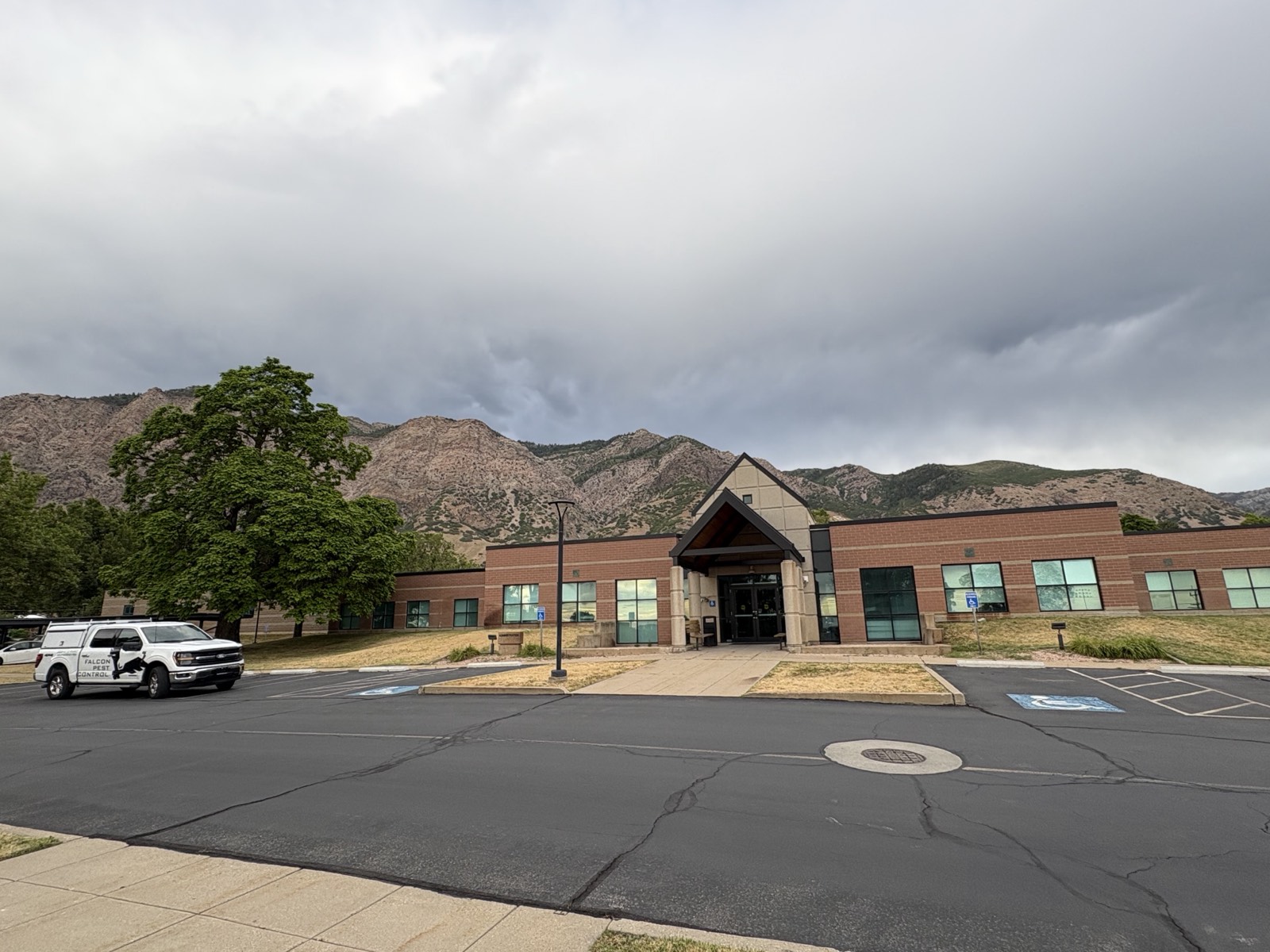
The largest campus, with no rodent stations currently in place and the program in its prevention phase. Rather than over-build a campus that is still preventive, Falcon places a right-sized preventive rodent treatment ring on the occupied core and the points that genuinely attract rodents — dumpster, kitchen exterior, and pool mechanical — and monitors the cottage cluster, alongside the monthly general-pest service. This is deliberately lighter than a full-density perimeter, because the campus is in prevention, not active treatment — which is why it is priced below Salt Lake despite its larger footprint.
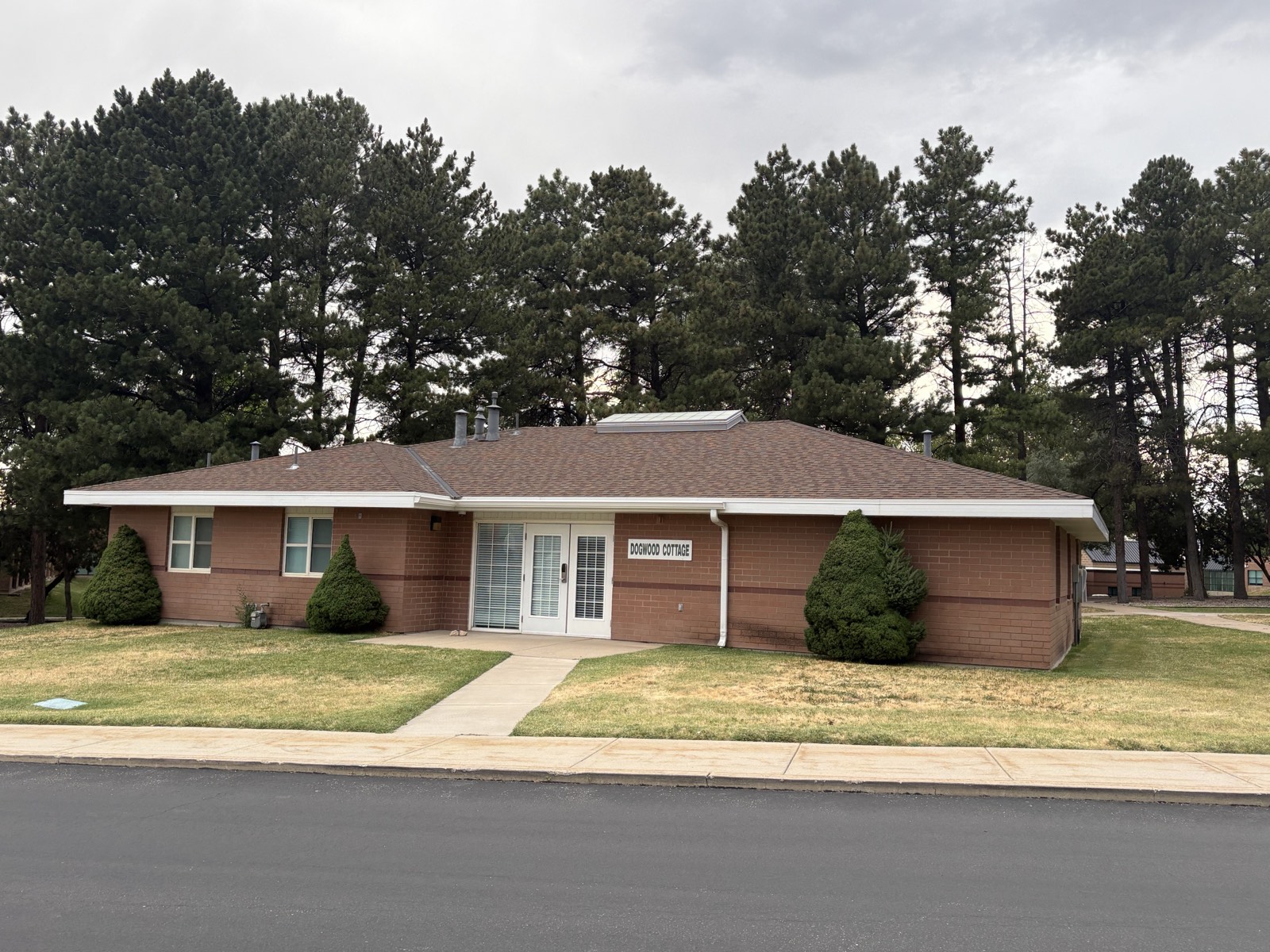
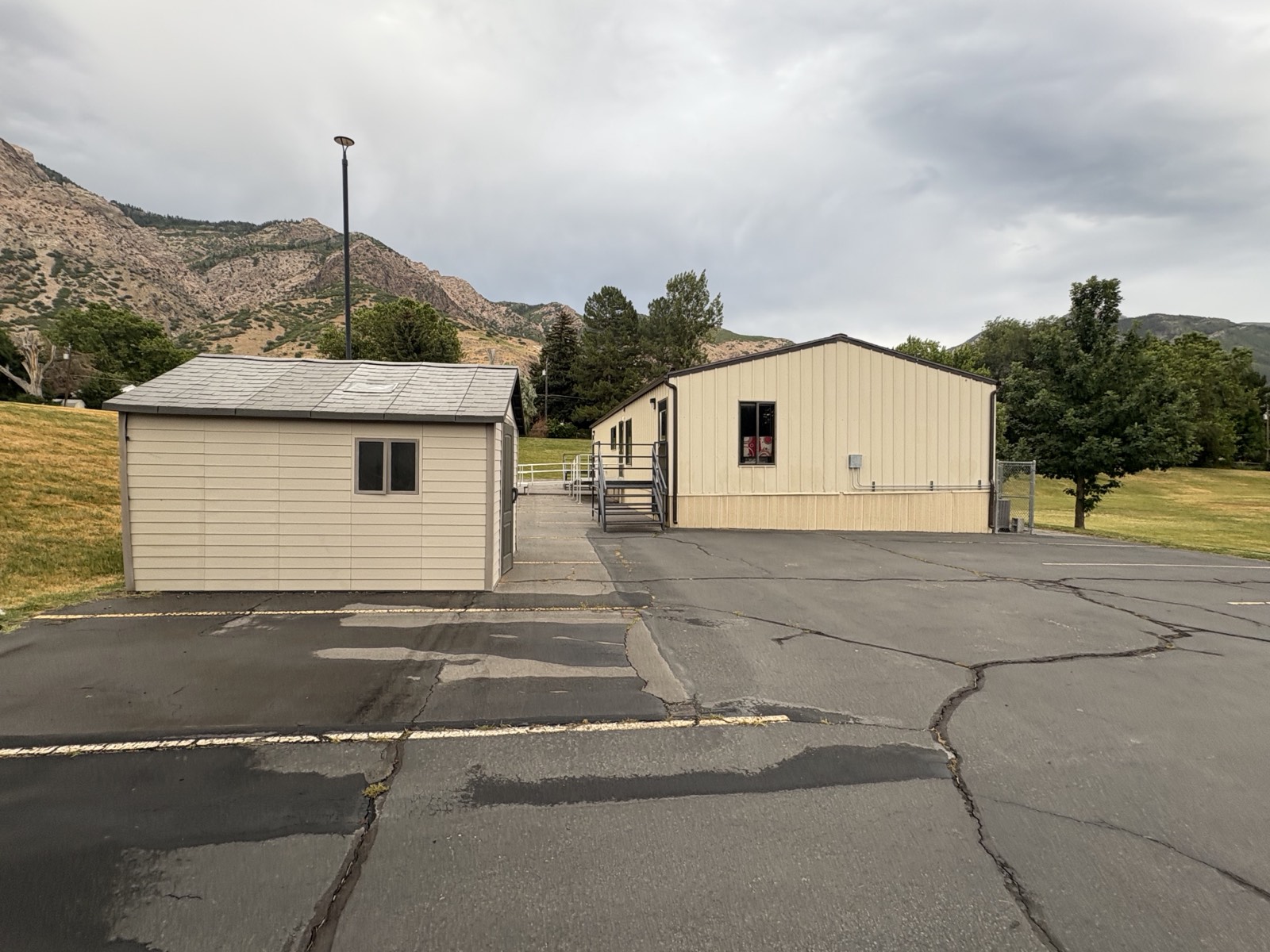
If pressure emerges, the program flexes up — on the data, at your existing contract rates. The consumption ladder is pre-authorized in the service agreement: if station data shows rising activity (≥75% bait consumption), Falcon brings you the consumption record and a right-sized increase in cadence or station count, billed at the same published MA5191 rates and subject to your standard authorization. You are never surprised, and you never pay for capacity before the data shows you need it.
Campus walkthrough — Ogden — narrated by Trent Frazer, BCE (captioned).
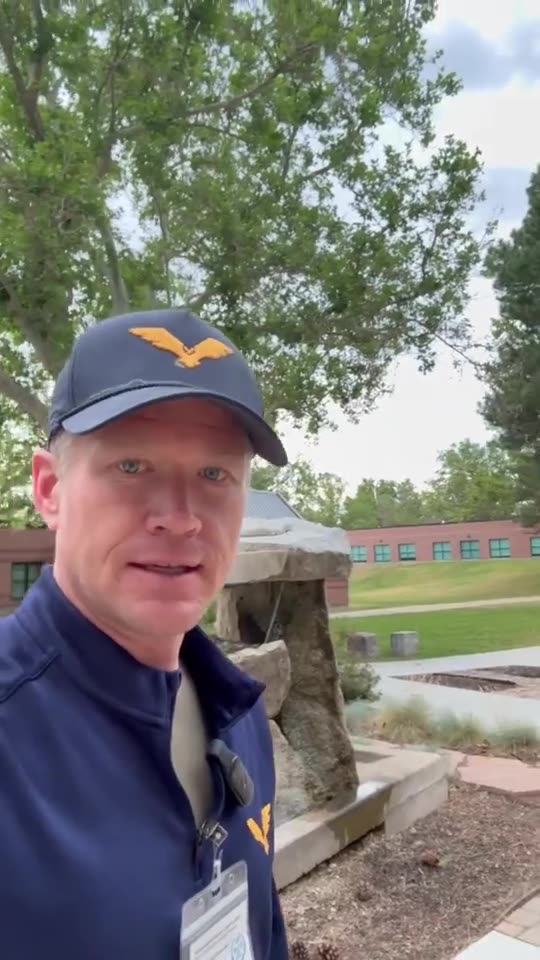
Watch the Ogden walkthrough at myfalconpest.com/USDB
| Included monthly | State rate |
|---|---|
| Exterior Barrier Treatment × 2 (occupied core + attractant points) | $256.50 |
| Preventative Maintenance Program × 2 (preventive rodent treatment, ~20-station ring) | $237.50 |
| Monthly service | $494.00 |
| BCE program oversight & R392-200-18 documentation (quarterly, 2 hr) | $285.00/qtr |
| Travel (58 mi one-way, per contract, beyond 40-mi threshold) | ~$25.20/visit |
Summary — all three campuses
| Campus | Monthly service | BCE oversight | Travel |
|---|---|---|---|
| Springville | $247.00 | $142.50/qtr | — |
| Salt Lake (4 structures) | $988.00 | $285.00/qtr | — |
| Ogden | $494.00 | $285.00/qtr | ~$25/visit |
| Combined | $1,729.00/mo |
Each campus can be awarded independently. Included in every campus above: the full rodent treatment program, the consumption-driven ladder, and the BCE-authored R392-200-18 IPM documentation package — nothing in the compliance or entomology layer is an add-on.
Follow-up treatments (as requested)
Any return visit needed between scheduled monthly services — a new sighting, a spike, a spot concern — is handled at Falcon's MA5191 Pest Control Technician rate of $90.25/hour (one-hour minimum), scheduled within 1–3 business days of your call. No trip fees beyond the standard contract travel rate, no premium for the callback itself. On the population-driven campuses, most between-visit needs are already absorbed by the consumption ladder stepping service up before a problem grows — so follow-ups are the exception, not a recurring line.
If budget is the constraint: the entry-cadence option
If USDB has a fixed pest-control budget for FY27, Falcon can start at a lower service cadence and let the consumption data raise it only where the rodents justify it — the same BCE-authored program, the same documentation, the same entomologist, simply entered at a frequency sized to your budget instead of the recommended optimum.
A representative budget-conscious entry across all three campuses lands near $1,500–$1,580/month, with the ladder ready to step any campus up the moment activity warrants. The point: you are not choosing between "the entomologist's program" and "an affordable program." You are choosing the starting frequency of the same program. That is a decision Falcon is uniquely positioned to make with data — a flat commodity bid cannot.
Optional services — separate, add or remove at any time
These are not part of the rodent program and do not affect any price above. Turn on, turn off, or ignore:
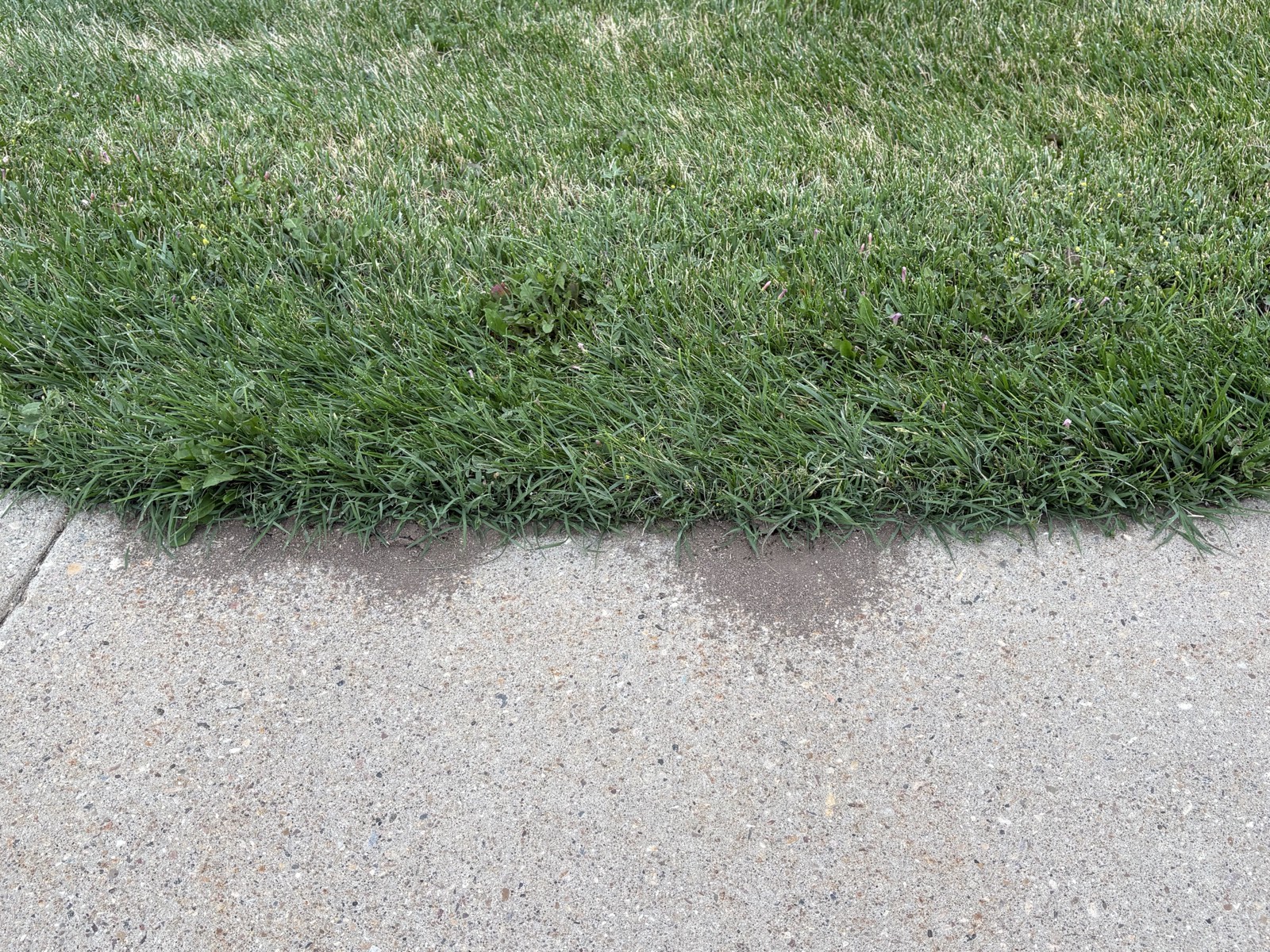
- Ogden — ant treatment. Ant activity observed on the walk; targeted treatment available on request.
- Salt Lake — pigeon/bird deterrent. Bird pressure noted; scope to be defined with your site contact. Priced separately after assessment.
Terms
- Month-to-month. No minimum term. 30-day cancellation. No early-termination fee. No setup or initial-treatment fee.
- Pricing per Falcon's published MA5191 Attachment C state-contract rates, subject to the cooperative contract's own pricing terms.
- All service performed under Utah Commercial Applicator #4001-16378 and Business License #4000-000021793, documented per Utah pesticide records rule R68-7.
- Fully insured: $4M liability tower. Background-check/fingerprint clearance (Utah Code § 53G-11-402) completed for all personnel prior to unsupervised campus work.
- Billing references MA5191; standard state payment methods accepted, no fees.
Getting started
Approve this proposal and Falcon begins service within 1–3 business days. Each campus is covered from day one — no setup period, no onboarding fee, no minimum term. Service is month-to-month and can be adjusted or cancelled with 30 days' notice at any time. To proceed, simply reply to this proposal or contact Trent directly at trent@myfalconpest.com or 385-412-9660.
Thank you for the opportunity. This is exactly the work I built Falcon to do.

Trent Frazer, MS, BCE #B3413
Falcon Pest Control · trent@myfalconpest.com · 385-412-9660 · MA5191